
A big move. One clear step at a time.

You should understand the plan before moving forward. Here is what to discuss, what to prepare and what each stage helps you decide.

What we do,
and what you do.

A useful conversation leaves you with more clarity. Bring your family and ask about the things that matter to you.

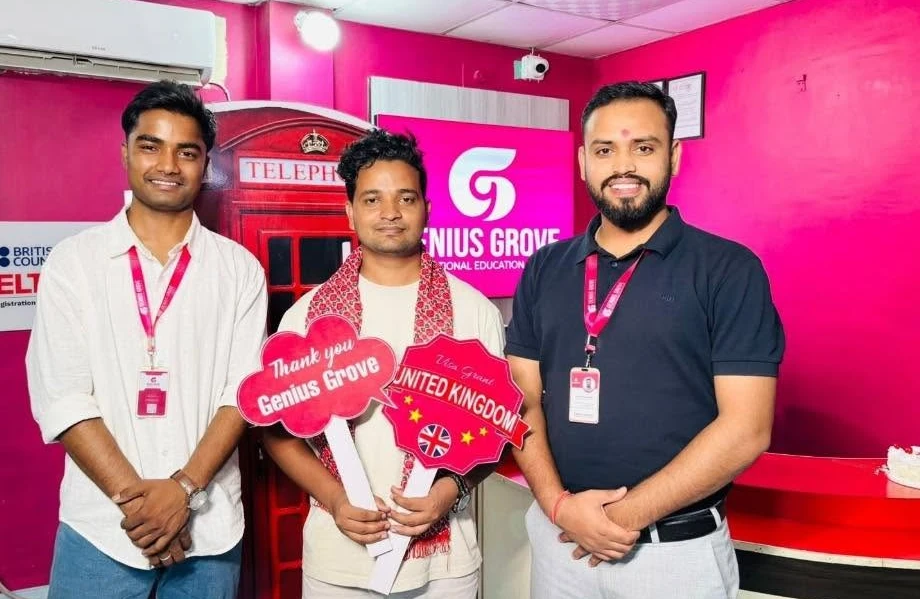
Start with a free conversation A student celebrating with the Genius Grove team
01

Start with you.

Your education, interests, goals and budget come first. We discuss what you want from your studies before suggesting a destination or a course.

Bring to the conversation
Your latest results, a budget range and the questions on your mind.
What you work towards
A clear study brief and the options worth researching.
02

Compare the choices that fit.

Look at course content, entry requirements, the actual campus and the full cost. Check scholarship routes alongside the fees so the budget is part of the choice.

Bring to the conversation
Course links, subject interests and any English language results.
What you work towards
A shortlist you can explain to your family, with the details still to check.
03

Put the pieces together.

Work through the institution's document list and application requirements. Check the information before submission and keep a copy of what is sent.

Bring to the conversation
The academic records and supporting documents requested for your course.
What you work towards
An organised application plan, with deadlines and responsibilities clear.
04

Understand what the offer says.

Read the conditions, fees, deposit deadline and refund terms. Check the funding you have and the costs that remain before making a financial commitment.

Bring to the conversation
Your offer, scholarship information and the current family budget.
What you work towards
A clear view of the conditions to meet and the payments to plan.
05

Prepare for the study route.

Use the destination's official information to understand the student visa or entry process. Organise the evidence and ask questions about anything that is unclear.

Bring to the conversation
Your course information and the current official document checklist.
What you work towards
A preparation checklist. The responsible authority makes the final decision.
06

Make arrival feel less unfamiliar.

Think about travel, accommodation, the journey to campus and your first week. Check the institution's arrival information and international student support.

Bring to the conversation
Your confirmed study and travel details, housing plan and arrival questions.
What you work towards
A practical first-week plan and the contacts you may need.

Frequently asked

Common
questions.

Ask us your question
How much does it cost to study in the UK from Nepal?

Tuition depends on the course. On top of it, the UK student visa fee is £558, the health surcharge is £776 for each year of the visa, and for the visa you must show living costs of £10,539 outside London or £13,761 in London for a nine-month course. Our cost guide shows each part in rupees.

Read the full guide
How much bank balance do I need for a UK student visa?

Your first year of tuition, less any deposit already paid, plus £1,171 a month outside London or £1,529 a month in London, for up to nine months. The money must stay in the account for 28 days in a row, ending no more than 31 days before you apply.

Read the full guide
Is the first consultation really free?

Yes. Your first conversation with Genius Grove is free. Tell the team about your education, goals and budget. Ask for a clear explanation of any later service fees and other costs before deciding to apply.

Can I apply without IELTS or an interview?

Some courses may accept other English language evidence. Interview requirements also depend on the university, course and applicant. Ask the team to check the current requirements for your chosen course. An IELTS waiver is not a guarantee of admission or a visa.

You don’t need all the answers yet.

Your first conversation is free.

Get free consulting
WhatsAppFree consultation
Have a question?WhatsApp us